Flexible Payment Options: How to Shop Responsibly
27 February 2025
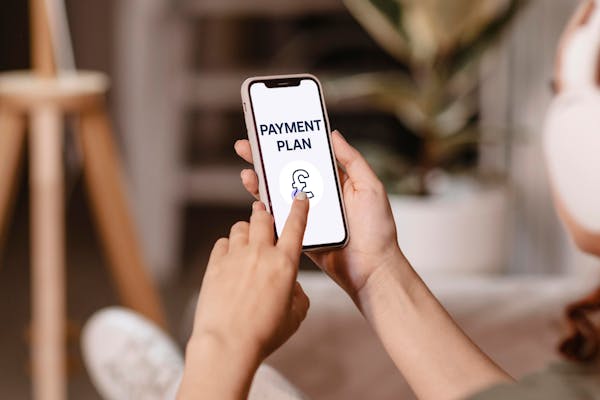
Flexible payment options can help consumers spread the cost of retail purchases, making them more manageable. However, it’s important to fully understand how these payment plans work, their potential costs, and whether they are the right choice for you.
In this guide, we’ll explore different types of flexible payment options, their benefits, and how to use them responsibly.
What Are the Benefits of Flexible Payment Options?
- Affordability: Spreading payments over time can make higher-cost purchases more manageable within a budget. However, consumers should consider the total cost of the purchase, especially if interest or fees apply.
- Convenience: Many payment plans allow you to choose an instalment schedule that suits your financial situation.
- Interest-Free Credit: Some retailers within the Snap Finance network offer interest-free credit for a set period, we call this “Pay in 11”. This allows you to pay for your purchase in instalments without incurring interest charges. However, it’s essential to check the terms and ensure full repayment within the interest-free period to avoid additional costs.
- Increased Access to Goods: Spreading the cost can help consumers access products they might not otherwise afford in a single payment. However, it’s important to ensure affordability and responsible borrowing.
Common Types of Flexible Payment Plans
- Buy Now, Pay Later (BNPL): Some providers allow you to defer payments for a few weeks or months without interest, or spread payments over multiple instalments. Snap Finance offers a Pay in 4 feature, which enables repayments in four instalments over a set period. (Learn more about Pay in 4 here.)
- Instalment Loans: These allow consumers to pay over a longer period, such as 24, 36 or 48 months including interest. Some retailers in the Snap Finance network also offer a Pay in 11 option, which allows customers to repay without interest when paid within 11 months. (Find out more about Pay in 11.)
- Subscription-Based Plans: Some retailers offer subscription-style payments for high-value items, providing ownership alongside services. Snap Finance does not offer these plans.
Using Flexible Payment Plans Responsibly
To ensure flexible payment plans work for you, consider the following:
- Understand the Terms: Always review the terms and conditions, including repayment schedules, interest rates, and potential fees.
- Check Affordability: Ensure repayments fit within your budget without impacting essential expenses or priority bills.
- Use Credit for Essential Purchases: While flexible payment plans can be helpful, they should be used for planned and necessary purchases rather than impulse buys.
- Stay on Top of Repayments: Missing payments may result in additional fees and could impact your credit score.
- Avoid Overcommitting: Keep track of all existing financial commitments to avoid taking on more than you can afford.
Flexible payment plans can be a helpful tool when used responsibly. By understanding the different options available and managing repayments effectively, consumers can make purchases more affordable while maintaining financial stability.

How Pay Monthly Finance Works

How Weekly Finance Can Make Your Dream Sofa More Affordable